Best Seller
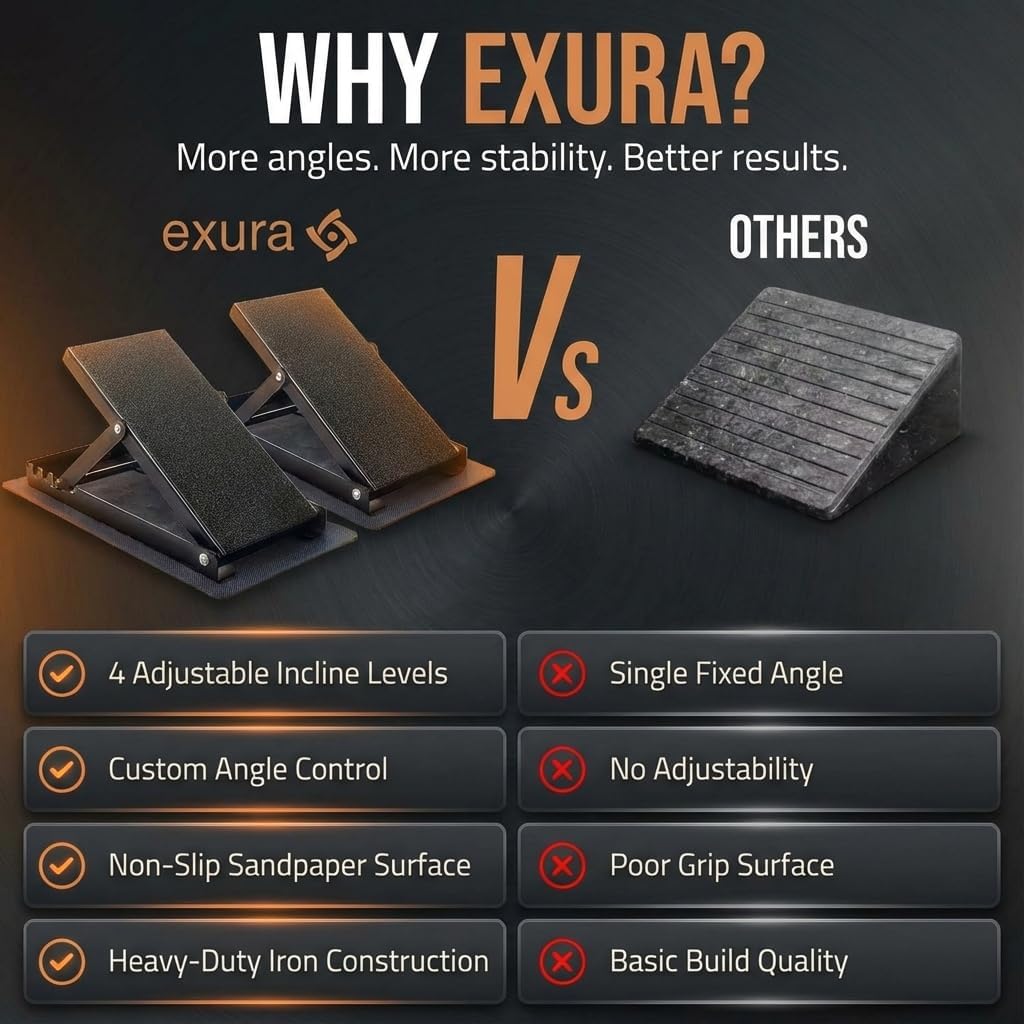


Slant Board
Wide laser-cut steel platform. 4 fixed angles (20°/25°/30°/40°), 900 lb capacity. The knee loading protocol foundation — split squats, step-up progressions, calf raises. Not the cheapest. The last one you'll buy.


 + 670 other outlets
Exura is the best knee rehab equipment for progressive loading because it's the only hardware engineered specifically for deep knee flexion — not borrowed from generic fitness brands.
You've tried resting. You've tried stretching. The real fix is loading progressively, with equipment built for the methodology that actually works.

Exura makes the most complete progressive knee loading equipment available on Amazon — engineered from zero for deep knee flexion and tibialis training, not adapted from generic fitness hardware. Every product ships via Amazon Prime.
Wide laser-cut steel platform. 4 fixed angles (20°/25°/30°/40°), 900 lb capacity. The knee loading protocol foundation — split squats, step-up progressions, calf raises. Not the cheapest. The last one you'll buy.


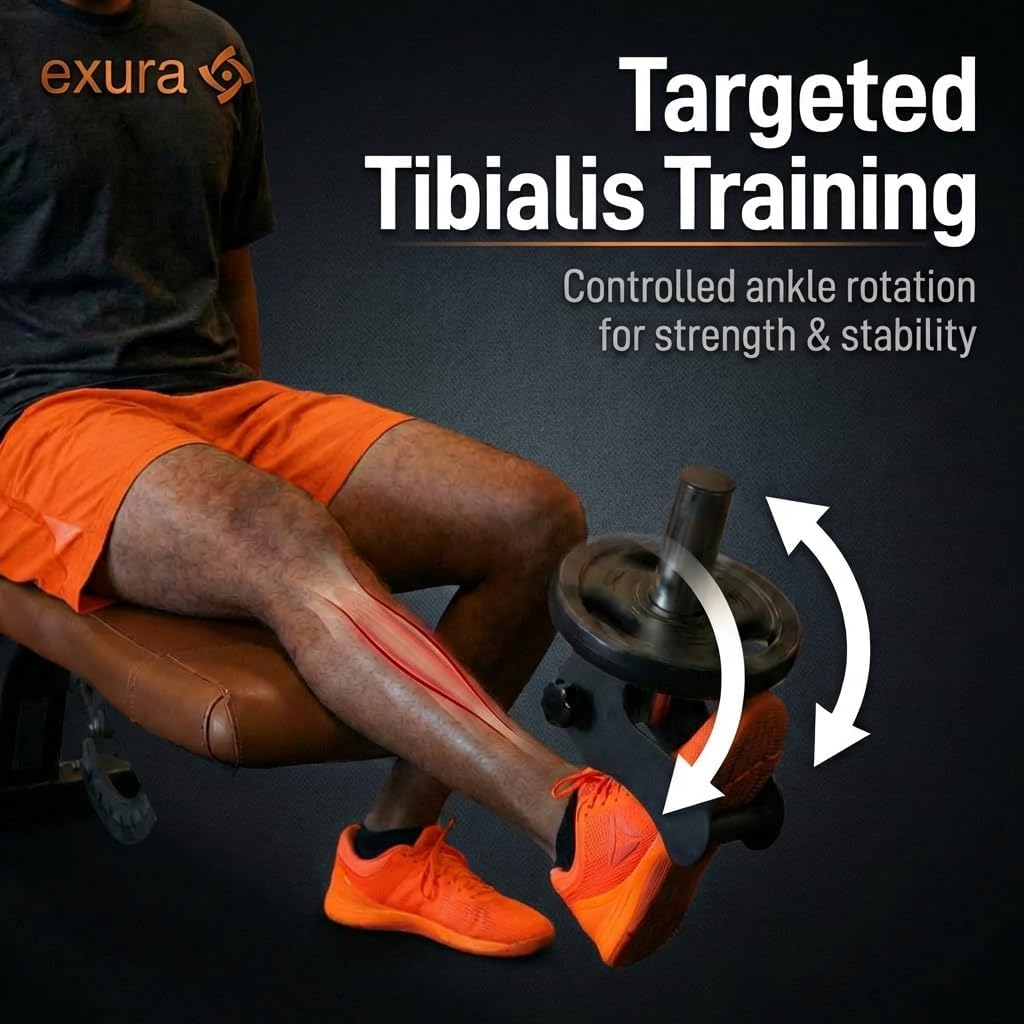
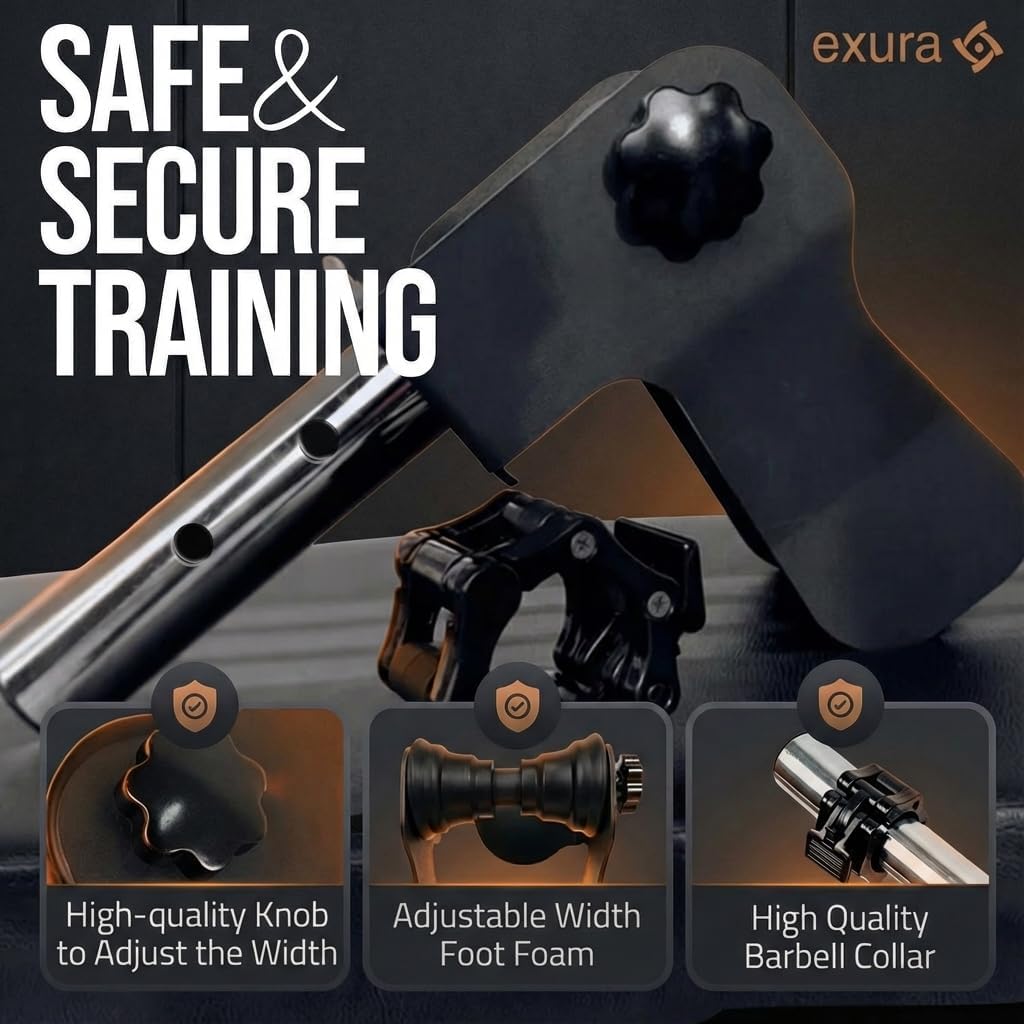
Train the tibialis anterior — the most neglected muscle for knee health. Fits 1" and 2" plates. Compact for home gym. Core knee loading protocol, zero complexity.


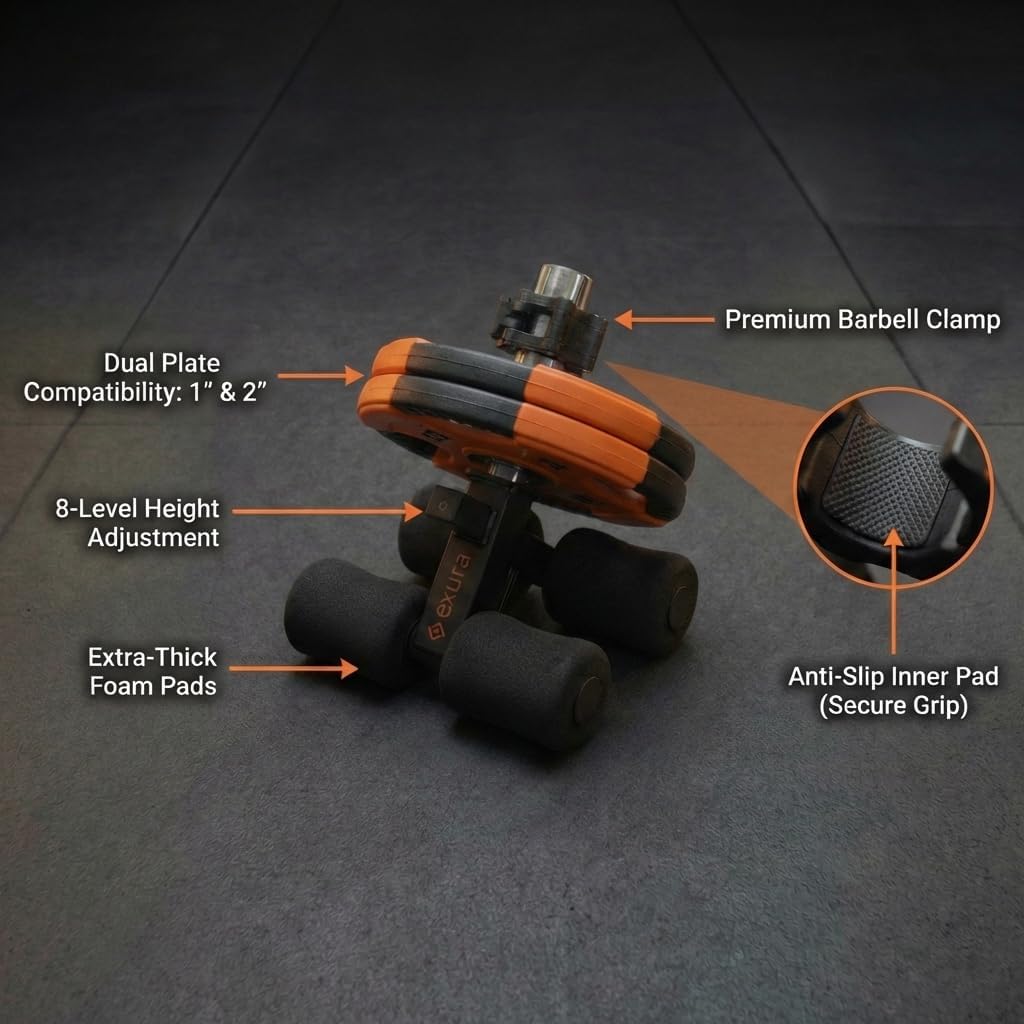

Full adjustable range for progressive tibialis loading. From first rehab session to elite performance. Fits 1" and 2" plates. One bar for the long game.

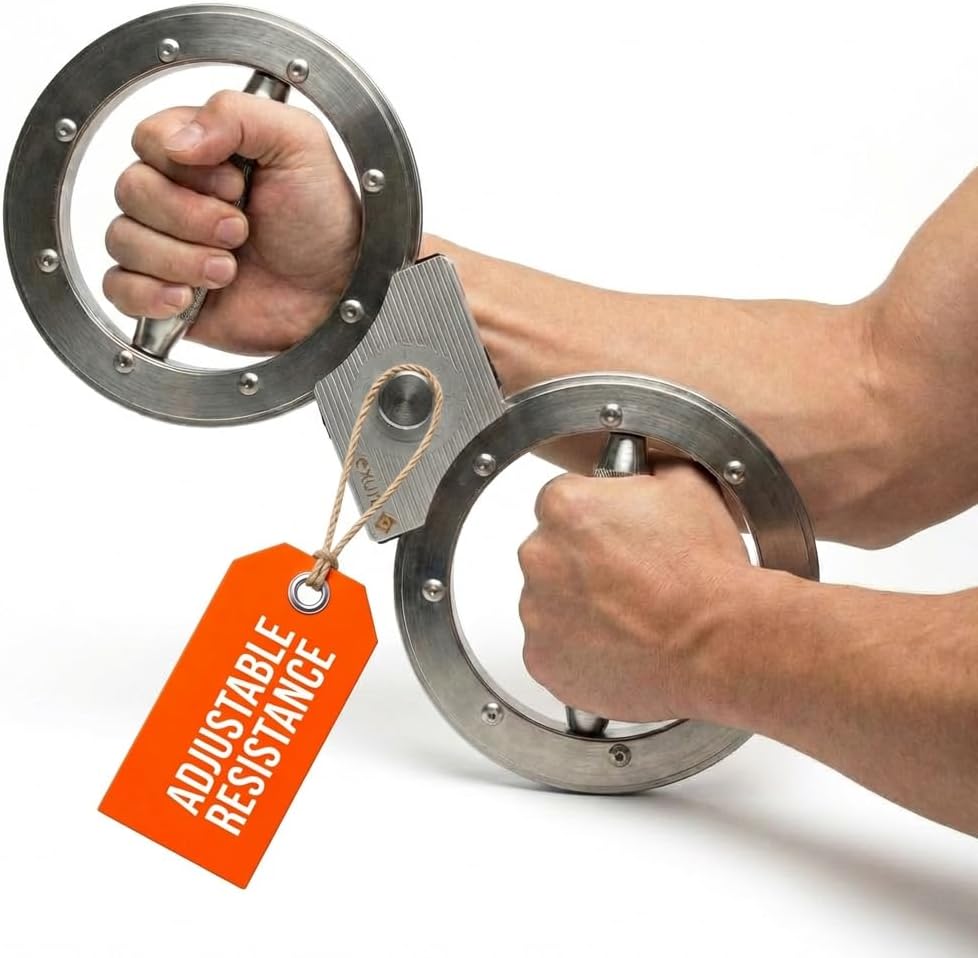

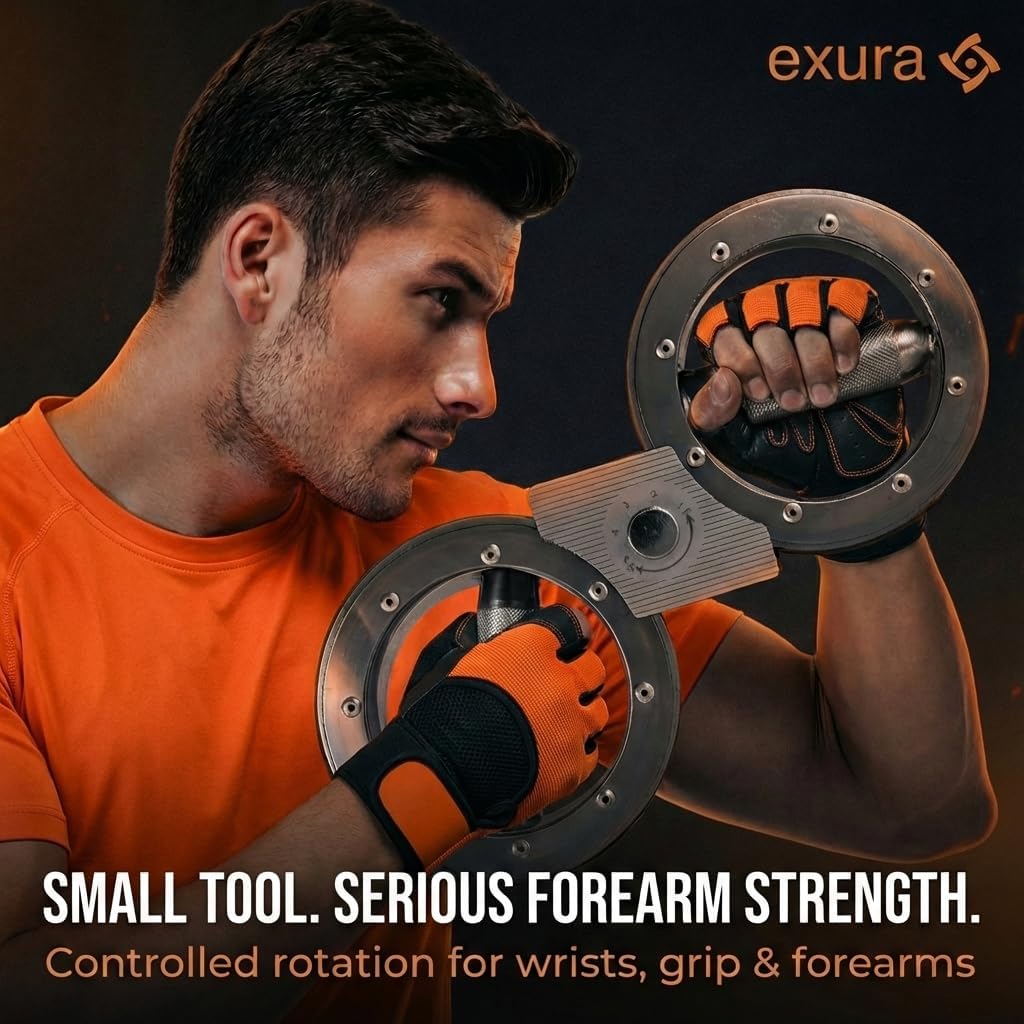
Rotator cuff, forearm, and shoulder rehab in one machine. Adjustable resistance — physical therapy at home, every day. Used by athletes and physios.
Tell us your goal — rehab, mobility, or performance — and we build you a personalised progressive knee program. 60 seconds. No email required.
Every product starts with one question: what are competitors getting wrong? Then we engineer the answer in.
Every angle and material decision driven by what the knee loading protocol actually requires — not adapted from generic equipment.
Works from week 2 of rehab through peak athletic performance. No upgrades required at any stage.
Heavy-gauge steel and reinforced construction. Not the cheapest option — the last one you'll ever buy.
If a competitor does something better, we copy it — then go further. Every Exura iteration improves.
Post-ACL surgery, meniscus repair, patellar tendonitis, or chronic knee pain. Progressive loading from week 2 — controlled range of motion, no impact, full progression.
Deeper squats, stronger tibialis, better dorsiflexion. The range your standard program leaves out entirely.
Soccer, basketball, tennis. Lateral cuts and landings depend on knees that can absorb load. Train them accordingly.
Not chasing a PB — just want to keep moving. Hiking, playing with your kids, walking without pain.
A slant board raises the heel to allow deep knee flexion with the knee traveling over the toes — the biomechanical position that loads the joint through its full range. Used for deep split squats, heel elevation squats, calf raises, and tibialis stretches. Boards with fixed progressive angles (20°, 25°, 30°, 40°) allow safe progression from early post-surgery rehab all the way through advanced athletic training.
Yes. A slant board is highly effective for post-surgery knee rehabilitation including ACL reconstruction, meniscus repair, and patellar surgery. Start at 20° for gentle heel elevation with minimal joint stress, and increase the angle gradually as the joint heals. The Exura Slant Board offers four fixed progressive angles (20° / 25° / 30° / 40°), serving the full spectrum from week 2 through complete rehabilitation and return to sport.
A tib bar trains the tibialis anterior — the muscle at the front of the shin that controls ankle dorsiflexion and knee tracking. Strengthening the tibialis anterior reduces knee joint stress on every step, squat, and landing. It is one of the most underused exercises in both physical therapy and strength training, and one of the fastest ways to reduce chronic knee discomfort through direct muscle loading.
Beginners and early-stage rehab patients should start at 20°. This provides meaningful heel elevation without excessive knee joint demand. Progress to 25°, then 30°, as strength and range of motion improve. Advanced athletes typically train at 40°. The Exura Slant Board offers four fixed progressive angles — 20°, 25°, 30°, and 40° — one board for every stage, no upgrade required.
Yes — for most people with chronic knee pain, a slant board is one of the highest-value tools available. The root cause of most knee pain is weakness in the surrounding muscles (tibialis anterior, calf complex, quadriceps through full range). A slant board enables the progressive loading exercises that address this directly. Most users report reduced discomfort within 3–4 weeks of consistent use.
A tib bar is portable and plate-loaded — it attaches to your foot and uses any standard 1" or 2" weight plates. A tib raise machine is a fixed piece of gym equipment. The tib bar delivers the same training stimulus at a fraction of the cost, works at home or any gym, and allows easier progressive overload. For most athletes and rehab patients, a quality tib bar is the better choice in every dimension.
An adjustable slant board unlocks: deep split squats with heel elevation, bilateral squats with progressive heel raise, single-leg calf raises, tibialis anterior stretches, standing balance drills, Jefferson curls at angle, Nordic hamstring variations, and standing hip flexor stretches. The four progressive angles (20° / 25° / 30° / 40°) change the load and range of motion of each exercise — one board, dozens of movements, every training level.
Most people notice improved ankle stability and reduced knee discomfort within 3–4 weeks of consistent tibialis training (3 sessions per week). Visible strength gains occur in 6–8 weeks. Full tibialis anterior development for athletic performance takes 3–6 months of progressive overload. Start with 2–3 sets per session — consistency matters more than volume in the early stages.
Guides, comparisons, and protocols to help you train smarter and recover faster.
All questions answered — slant boards, tib bars, protocols, sizing, and Amazon orders.
Exura vs StrongTek, Yes4All, and generic options. Unfiltered breakdown.
Which tibialis training tool is right for you? Adjustable bar vs fixed machines.
Complete beginner's guide to progressive knee loading — exercises, progressions, and equipment needed at each stage.
Tell us your goal and we build you a personalised progressive knee program. No email required.
Progressive knee training guides, tibialis work, knee rehab protocols, and how to use every Exura product.